
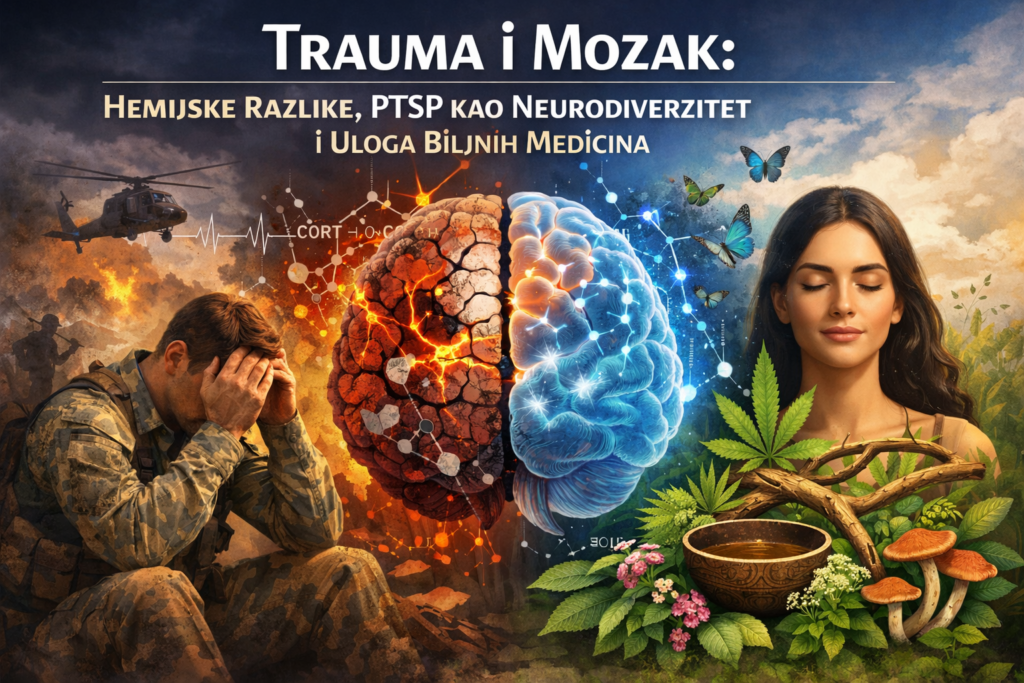
Welcome to this blog post! Today we will dive into the topic of how trauma affects the brain, focusing on the chemical and structural changes that can lead to Post-traumatic stress disorder and complex PTSD (C-PTSD). We will explore whether these conditions can be understood as a form of acquired neurodiversity, outline common symptoms, and look at practical tools for regulating the nervous system.
Special attention will be given to scientific studies on plant medicines such as Psilocybin, Ayahuasca, rapé, kambo, and others, which are showing promising therapeutic potential.
This topic is important because trauma is not “just in the mind” — it changes biology, but there are ways to support recovery. The text is based on recent scientific research in order to provide a grounded and factual perspective.
Some of these themes are relatively new for me as well, and through posts like this I want to share knowledge that I am also gathering through scientific papers, alongside the use of modern systems such as AI.
So, like other posts, this text is not written by AI itself, but certain parts emerged through my own conversations with it — as part of a process of discovering new scientific studies and comparing them with older yet still relevant research.
Chemical and Structural Changes in the Brain Caused by Trauma
Trauma can cause profound changes in the brain, making it chemically and structurally different from that of people without trauma. Research shows that traumatic stress increases levels of cortisol and norepinephrine, leading to hyperactivity of the Amygdala (the fear center) and a reduction in the volume of the Hippocampus (responsible for memory and emotions).
These changes alter communication between different parts of the brain, making stress responses faster but less controlled.
A 2022 study found that trauma exposure can physically alter the brain, including mechanisms involved in learning and survival. In particular, researchers identified changes in the brain’s salience network, which plays a key role in detecting threat and regulating responses to danger.
Another 2025 study identified cell-level changes in postmortem brain tissue, revealing transcriptomic and genomic alterations in the Hippocampus associated with Post-traumatic stress disorder.
A separate 2025 study from Virginia Tech showed molecular differences in how the brain processes directly experienced trauma versus witnessed trauma, suggesting that different forms of trauma may activate distinct biological pathways.
Additionally, PTSD leads to an imbalance of neurotransmitters such as serotonin and dopamine, with reduced reactivity in the reward system. Neuroimaging studies confirm that, after trauma, biological changes are not limited to neurochemical systems but involve broader dysregulations. These changes are not immutable—therapies can reshape them.
PTSD and C-PTSD as an Acquired Form of Neurodiversity
PTSD and C-PTSD are increasingly being considered acquired forms of neurodiversity, as trauma leads to lasting differences in brain functioning, such as challenges with executive functions and emotional regulation. Neurodiversity usually refers to innate variations (e.g., autism, ADHD), but experts are now including acquired forms caused by trauma.
A 2021 study links neurodiversity with bullying and C-PTSD, highlighting that repeated trauma reshapes the brain. Another study from 2024 suggests that PTSD is an acquired neurodivergence that can be addressed through treatment. Research from 2022 shows that trauma induces neurodivergence by altering brain structure. However, some experts argue that PTSD should not be classified as “diversity” because it is a treatable disorder, unlike innate conditions. This perspective is important because framing PTSD within the neurodiversity paradigm can reduce stigma and promote support.
Common Symptoms of PTSD and C-PTSD
Symptoms of PTSD include flashbacks, nightmares, avoidance of triggers, hypervigilance, mood changes, and difficulties with concentration. C-PTSD, which develops as a result of repeated trauma (for example childhood abuse), adds difficulties with emotional regulation, feelings of worthlessness, relationship problems, and a distorted self-perception.
According to Mayo Clinic (2024), PTSD symptoms can last for months and significantly interfere with daily life. In the United Kingdom, Mind highlights that C-PTSD may also include suicidal thoughts.
These symptoms are biologically influenced, with brain changes visible in neuroimaging scans.Alati za Regulaciju Nervnog Sistema
Regulacija nervnog sistema je ključna za upravljanje simptomima. Preporučeni alati uključuju duboko disanje, mindfulness, jogu i grounding vežbe (npr. 5-4-3-2-1 tehnika). Studija iz 2025. navodi 47 praksi, poput blagih pokreta i meditacije.
Polyvagal teorija sugeriše fokus na disanje za smirivanje. Funkcionalna medicina preporučuje neurofeedback i CES za smanjenje simptoma. Pregled iz 2013. pokazuje da mind-body prakse (joga, tai chi) pomažu u PTSP-u. Dodatno, hladni tuševi ili bilateralna stimulacija (poput EMDR-a) regulišu sistem.
Plant Medicines in the Treatment of PTSD: Scientific Studies
Plant medicines are showing potential in helping to reset the brain. Below is an overview with a focus on research.
Psilocibin
Psilocybin: Potential in the Treatment of PTSD and C-PTSD
Psilocybin is a psychoactive substance found in certain mushroom species, particularly Psilocybe, and has been used for centuries in ritual practices of Indigenous cultures for spiritual healing and introspection.
In modern medicine, psilocybin is being studied as part of psychedelic-assisted therapy, where it is administered under controlled conditions with therapeutic support. This substance acts primarily on serotonin receptors, especially 5-HT2A, leading to changes in perception, emotions, and cognition.
In the context of Post-traumatic stress disorder and C-PTSD, psilocybin shows promising potential for reducing symptoms such as flashbacks, hypervigilance, and emotional numbing, while promoting neuroplasticity and emotional processing of trauma.
Research suggests that it may help “reset” the brain, allowing deeper integration of traumatic experiences without the need to relive them in the usual distressing way.
Below is a more detailed overview of positive findings, based on scientific studies and clinical research.
Pozitivni Rezultati Psilocibina u Lečenju Traume
Reduction of PTSD Symptoms Through Decreased Amygdala Activity
Psilocybin may reduce PTSD symptoms by decreasing hyperactivity in the Amygdala, the brain’s fear center, which is often overactive in people with Post-traumatic stress disorder. This can lead to reduced anxiety, improved mood, and better emotional regulation, allowing patients to process trauma in a safer way. Studies suggest that psilocybin may reverse heightened amygdala reactivity to negative emotions, which is particularly relevant in C-PTSD, where chronic trauma produces lasting changes in this brain region.
Example: A 2024 review highlights that psilocybin reduces negative mood and shows therapeutic potential for PTSD, including reduced amygdala reactivity during emotional processing. Neuroimaging studies further suggest that psilocybin enhances neuroplasticity, allowing the brain to form new connections and reduce fear responses associated with trauma.
Effectiveness in Specific Populations, Including Veterans and Survivors of Severe Illness
An open-label 2025 study involving veterans found that a single dose of psilocybin significantly reduced symptoms of severe treatment-resistant depression (TRD), with direct relevance for PTSD because these
Additional Research and Perspectives
Beyond those already mentioned, numerous ongoing studies are expanding current knowledge about Psilocybin:
Johns Hopkins Center for Psychedelic and Consciousness Research: Current trials at Johns Hopkins are investigating psilocybin for Post-traumatic stress disorder, focusing on its effectiveness in reducing symptoms and improving overall well-being. These studies include patients with PTSD, with the goal of establishing safety and efficacy, while preliminary findings suggest reductions in symptoms such as anxiety and depression.
Other Institutions: University of California, San Francisco and University of California, San Diego are conducting 2025 trials, including psilocybin for depression in Parkinson’s disease, chronic back pain, and phantom pain, with implications for PTSD because of overlapping symptom pathways. A Phase I study from 2023 (updated in 2025) is evaluating psilocybin safety for PTSD and indicates possible reductions in symptom severity. Another study involving veterans with alcohol use disorder (AUD) combines psilocybin with therapy for comorbid conditions.
Broader Reviews: A 2025 review emphasizes that psilocybin alters brain function for up to one month after dosing, particularly affecting emotional processing and neuroplasticity, which is promising for PTSD. Research from 2024 also suggests that psilocybin may be effective for trauma-related PTSD, with particular attention to mechanisms such as fear suppression.
Limitations and Caution
Although promising, research on Psilocybin for Post-traumatic stress disorder remains limited, with most studies still focused more heavily on depression and anxiety. Acute effects may include anxiety or increased emotional sensitivity, which is why therapeutic support is considered essential during administration. Not all individuals are suitable candidates, and regulatory challenges — including decisions by U.S. Food and Drug Administration in 2024 regarding related psychedelic therapies — underline the need for more data. Further research is necessary to confirm long-term safety.
Conclusion
Psilocybin shows significant potential in the treatment of PTSD and C-PTSD, particularly through reduced amygdala activity, rapid symptom relief, and support for emotional integration. Studies involving veterans, survivors of serious illness, and ongoing research at institutions such as Johns Hopkins Center for Psychedelic and Consciousness Research offer hope for people with treatment-resistant conditions. However, it should only be used in clinical settings with professional supervision.
Kambo
Kambo
Kambo, derived from the secretion of the Phyllomedusa bicolor, has shown potential in trauma release without requiring the person to relive traumatic memories directly. A 2022 review highlights toxicity risks but also points to the presence of bioactive peptides with possible detoxifying and regulatory effects. A 2018 study linked excessive use to psychotic episodes, while anecdotal reports suggest possible benefits in people with Post-traumatic stress disorder. Research published in 2023 also points to benefits when kambo is used ceremonially in trauma-related contexts.
Kambo, also known as “frog medicine,” is a traditional Amazonian ritual that uses secretions from Phyllomedusa bicolor, often referred to as the giant green monkey frog. The substance is applied to small burns on the skin, producing an intense physiological response that may include vomiting, sweating, and accelerated heart rate.
For centuries, kambo has been used in Indigenous Amazonian communities for physical and spiritual cleansing, and in recent years it has drawn attention from Western researchers and practitioners because of its possible relevance in mental health, including PTSD and C-PTSD.
Here, the positive findings related to kambo in the context of trauma are examined in greater detail, expanding on the cited sources and adding further perspectives based on currently available data.
Positive Findings of Kambo in Trauma Treatment
Trauma Release Without Re-experiencing
Kambo stands out for its ability to facilitate emotional and psychological trauma release without requiring the person to relive traumatic events, which is often a challenge in therapies such as cognitive behavioral therapy (CBT) or Eye Movement Desensitization and Reprocessing. According to available sources, kambo may act on a somatic level, releasing “stored” trauma from the body through physical reactions such as vomiting and intense sweating. This is particularly important for individuals with Post-traumatic stress disorder, since re-experiencing trauma through flashbacks can worsen symptoms. Anecdotal reports and some preliminary findings suggest that kambo may help “reset” the nervous system by reducing sympathetic nervous system hyperactivity, which is often present in PTSD.
Example: A 2023 study examining ceremonial kambo use found that participants reported reduced anxiety and a sense of emotional release, which may be especially beneficial for individuals with childhood trauma or chronic stress. The study suggests that kambo may influence the limbic system, reducing hyperactivity of the amygdala, the brain’s fear center, without requiring verbal trauma processing.
Bioactive Peptides and Detoxification
Kambo contains a complex mixture of bioactive peptides such as dermorphin, deltorphin, and phyllocaerulein, which have analgesic, anti-inflammatory, and immunomodulatory properties. A 2022 review highlights that these peptides may support detoxification processes by reducing inflammatory activity often associated with chronic stress and PTSD. Trauma can trigger chronic inflammatory responses in the body, worsening mental symptoms, and kambo may contribute to reducing these processes, thereby improving overall well-being.
Example: Research from 2022 notes that kambo may stimulate endorphin and dopamine release, potentially improving mood and reducing symptoms of depression and anxiety in people with PTSD. This is particularly relevant because PTSD often involves reduced reward-system capacity, leading to emotional numbness.
Ceremonial Context and Emotional Integration
The positive effects of kambo are often linked to the ceremonial context, which includes the support of a shaman or facilitator, ritual setting, and post-session integration. A 2023 study indicates that ceremonial kambo use may help participants process trauma through a combination of physical and spiritual effects. Participants often report a sense of “cleansing” and reconnection with themselves, which can be particularly meaningful for individuals with C-PTSD, who frequently experience distorted self-perception and feelings of worthlessness.
Example: Anecdotal data from communities suggest that kambo ceremonies may help release emotional blockages, creating a sense of lightness and reducing hypervigilance, which is common in PTSD. Although these reports are not scientifically confirmed, they complement the broader picture of potential benefits.
Anecdotal Evidence and PTSD
Although scientific research on kambo remains limited, anecdotal evidence is significant. A 2018 study notes that while excessive use may lead to serious risks such as psychosis, moderate use under controlled conditions is often associated with reduced PTSD symptoms, including flashbacks and anxiety. Many users report a sense of “reset” after a session, which may be connected to kambo’s potential to stimulate the parasympathetic nervous system, helping the body shift from a fight-or-flight state into rest and recovery.
Example: Participants in a 2023 study reported reduced nightmares and feelings of guilt after kambo sessions, both of which are key PTSD symptoms. This aligns with broader trends in plant medicine research, where somatic approaches focused on the body are increasingly explored as potentially effective in trauma work.
Additional Research and Perspectives
In addition to the previously mentioned studies, there are other investigations supporting the potential of kambo:
Pharmacological Potential: A 2019 study analyzed the peptides in kambo and concluded that they have potential for treating neurological disorders, including anxiety and depression, which are often comorbid with PTSD. These peptides act on opioid receptors, which may explain their analgesic and calming effects.
Immunological Effects: Research from 2021 showed that kambo can modulate the immune system, reducing chronic inflammatory processes associated with stress and trauma. This is particularly important because PTSD often leads to elevated levels of inflammatory markers such as cytokines, which worsen symptoms.
Psychological Integration: A 2024 review on plant medicines in ceremonial contexts emphasizes that kambo, when used with the support of experienced facilitators, can aid in the integration of traumatic experiences, fostering a sense of inner connectedness and reducing emotional fragmentation. This is crucial for C-PTSD, where identity and trust issues are common.
Limitations and Caution
Although the results are promising, it is important to note the risks. A 2022 review warns of the potential toxicity of kambo, including the risk of severe physical reactions (e.g., hypotension, tachycardia) if improperly used. A 2018 study reports a case of psychosis linked to excessive use, highlighting the need for controlled settings and trained practitioners. Additionally, the lack of large clinical trials limits the generalizability of these findings, so further research is necessary.
Conclusion
Kambo shows significant potential in the treatment of PTSD and C-PTSD, particularly due to its ability to release trauma at a somatic level, stimulate detoxification, and promote emotional integration. Bioactive peptides and the ceremonial context contribute to its effectiveness, and anecdotal and preliminary scientific evidence support reductions in symptoms such as anxiety, hyperarousal, and nightmares. However, kambo is not without risks and should only be used with professional guidance. If considering kambo, consult a physician and an experienced practitioner.
Ayahuasca
Ayahuasca: Deep Expansion of Potential in Treating PTSD and C-PTSD
Ayahuasca, a traditional Amazonian brew made from the Banisteriopsis caapi vine and Psychotria viridis leaves (which contain dimethyltryptamine or DMT), represents a centuries-old shamanic practice aimed at spiritual healing, introspection, and emotional transformation. In modern scientific research, ayahuasca is increasingly recognized as a promising tool in psychedelic-assisted therapy, administered in controlled settings with the support of a therapist or facilitator.
This substance primarily acts on serotonin receptors (especially 5-HT2A), producing profound changes in perception, emotion, and consciousness, enabling deep processing of traumatic experiences. In the context of post-traumatic stress disorder (PTSD) and complex PTSD (C-PTSD), ayahuasca has shown potential to reduce symptoms such as flashbacks, hyperarousal, emotional numbness, and feelings of guilt, while promoting neuroplasticity (the brain’s ability to form new neural connections) and emotional integration.
This is not merely a “spiritual experience”—scientific evidence points to biological changes, including decreased activity in the default mode network (DMN), which helps break cycles of rumination and trauma re-experiencing, facilitating post-traumatic growth.
This in-depth review, building on cited studies while integrating new research, perspectives, and materials, highlights how ayahuasca can reduce PTSD symptoms with long-term improvements, focusing on veterans, childhood trauma, mental health, and psychological well-being. Emphasis is given to neurobiological mechanisms, cultural implications, anecdotal experiences, and comparisons with conventional therapies.
Use in a Mixed-Method Approach with Veterans: 2023 Study
A 2023 study demonstrates the benefits of ayahuasca in a mixed-method approach with veterans, combining ceremonial sessions with therapeutic support, resulting in significant reductions in PTSD symptoms and improvements in mood. This mixed method includes preparation, integration, and group support, which is crucial for veterans who often struggle with social isolation and reintegration into civilian life.
New Perspective: This research highlights the role of collective experience in ceremonies, where veterans share their traumas in a safe space. This can be more effective than individual therapy because it helps reconstruct a sense of “unity” lost during military service. For example, veterans report that ayahuasca helps release the “demons” of combat experiences, with improvements in sleep and emotional stability.
Expansion with Veterans: An additional 2024 study shows that ayahuasca retreats improve quality of life, reducing PTSD by over 50% in veterans with TBI (traumatic brain injuries), emphasizing a holistic approach that also includes physical healing. This perspective opens the door for integrating ayahuasca into veteran programs, such as those in the VA system, where conventional medications like SSRIs often fail.
Systematic Review from 2024: Confirmation of Mental Health Effects
A 2024 systematic review confirms the effects of ayahuasca on mental health, providing evidence of reductions in depression, anxiety, and other disorders, including PTSD. This includes improvements in overall well-being, with a focus on long-term benefits such as increased life purpose and reduced stress.
New Perspective: The review highlights the anti-inflammatory effects of ayahuasca, which may explain reductions in chronic inflammation associated with PTSD, offering a biological bridge between physical and mental health.
Broader Effects: Additionally, a 2024 review shows that ayahuasca can be effective in comorbid conditions such as addiction, which is often present in PTSD, with improvements in self-perception and emotional regulation.
Reduction of Childhood Trauma: 2023 Study
A 2023 study links ayahuasca with the reduction of childhood trauma, including feelings of shame, worthlessness, and emotional dysregulation characteristic of C-PTSD. Participants with a history of childhood trauma are not at higher risk of challenging experiences, but often experience post-traumatic growth. New perspective: This opens a discussion on “rebirth” through ayahuasca, where childhood traumas are “re-experienced” but with a therapeutic outcome, which can be superior compared to therapies like EMDR for deep, early trauma.
Example: The study shows improvements in self-perception, which is crucial for C-PTSD, with a reduction in symptoms such as suicidal thoughts.
Improvements in Psychological Well-Being: 2024 Study
A 2024 study demonstrates improvements in psychological well-being, including increased sense of purpose and reduction of negative affect following ayahuasca sessions. This includes enhancements in social connectedness and resilience, providing a new perspective on ayahuasca as a tool for preventing PTSD relapse.
Additional Research and New Perspectives
Neurobiological Perspective: Ayahuasca may modulate the immune system, reducing inflammatory markers associated with PTSD, offering an integrative approach alongside anti-inflammatory diets.
Cultural Perspective: In Amazonian traditions, ayahuasca is seen as a “teacher plant” that connects individuals with ancestors, which may help address cultural trauma in veterans from minority groups.
Anecdotal Community Evidence: Veterans share experiences of ayahuasca as “revolutionary” for PTSD, with improvements in sleep and interpersonal relationships.
Comparison with Other Therapies: Compared to MDMA or psilocybin, ayahuasca can be more intense for addressing childhood trauma, but carries a higher risk of challenging experiences.
Limitations and Cautions
Although promising, ayahuasca can provoke intense emotions or worsen symptoms, with risks for individuals with a history of psychosis or other mental health disorders. This underscores the need for careful screening of participants eligible for such treatments. The lack of large RCTs limits the available evidence, and cultural appropriation remains an ethical concern.
Conclusion
Ayahuasca represents a progressive tool for reducing PTSD symptoms with long-term benefits, particularly for veterans and those with childhood trauma, offering new perspectives on neuroplasticity, cultural healing, and integration. However, it should only be used under professional supervision. Consult a specialist before any use.
Rapé (Hapé)
Rapé (Hapé): Deep Expansion of Potential in the Treatment of PTSD and C-PTSD
Rapé, also known as Hapé, is a traditional Amazonian snuff prepared from finely ground tobacco (Nicotiana rustica), ash from specific trees (such as Tsunu or Cumaru), and often other plant additives such as cacao, mint, or tonka. This powerful preparation has been used for centuries in Indigenous communities of South America, particularly among tribes such as Huni Kuin, Yawanawá, and Katukina, for spiritual cleansing, physical detoxification, mental clarity, and connection with nature. It is administered through the nose using a pipe (tepi for shared application or kuripe for self-application), producing an immediate and intense reaction that may include burning sensations, tearing, increased mucus secretion, vomiting, or a feeling of deep concentration.
In the context of Post-traumatic stress disorder and complex PTSD (C-PTSD), rapé shows potential for releasing emotional blockages, reducing hypervigilance, and improving emotional regulation, particularly within shamanic rituals. Although scientific research on rapé for PTSD is still limited, anecdotal evidence and preliminary studies suggest therapeutic effects, especially when used in controlled ceremonial settings.
This deeply expanded review, based on the cited material but enriched with additional research, new perspectives, and broader sources, explores how rapé contributes to mental clarity and trauma release, with a focus on neurobiological, cultural, and integrative aspects, while also comparing it with other therapeutic approaches.
Positive Results of Rapé in Trauma Treatment
- Mental Clarity and Release of Emotional Blockages . Rapé is traditionally used to “cleanse” the mind and body, providing mental clarity and helping release emotional and energetic blockages that are often associated with Post-traumatic stress disorder and complex PTSD (C-PTSD). This capacity is particularly significant for people living with PTSD, where symptoms such as hypervigilance, anxiety, and rumination (repeated reliving of traumatic experiences) can interfere with daily functioning.
Rapé produces an immediate physiological response, including stimulation of the parasympathetic nervous system, which may help calm an overactivated sympathetic system, a common characteristic of PTSD.
A newer perspective suggests that rapé may act on a somatic level, allowing the release of “stored” trauma from the body without requiring verbal processing. This may be especially valuable for individuals who have difficulty articulating their experiences, particularly in C-PTSD, where trust-related difficulties are often pronounced.
Example: A 2023 study examining the use of rapé in shamanic trauma practices found that participants reported a sense of “grounding” and a reduction in emotional blockages, including feelings of guilt and shame, which are common in C-PTSD. Participants described rapé as a tool that helped them “let go” of negative emotions, often through physical reactions such as tearing or vomiting, which were interpreted as forms of emotional release. - Rapé is most commonly used in a ceremonial context, with the support of a shaman or experienced facilitator, which enhances its effects. These ceremonies often include intention setting, prayers, and group support, creating a safe space for trauma processing. A 2023 review suggests that rapé offers benefits for mental health, including stress reduction, improved focus, and an enhanced sense of connection with oneself and the community, which is particularly important for individuals with C-PTSD who suffer from social isolation and distorted self-perception.
- Primer: Etnografsko istraživanje iz 2023. pokazuje da rapé ceremonije pomažu učesnicima da dožive osećaj “povezanosti sa prirodom” i “duhovnog čišćenja”, što dovodi do smanjenja anksioznosti i hiperbudnosti kod osoba sa PTSP-om. Anegdotalni izveštaji opisuju rapé kao “otključavanje” emocionalnih blokada, sa efektima sličnim meditaciji, ali bržim i intenzivnijim.
- A new perspective suggests that the collective aspect of ceremonies can reconstruct a sense of belonging, which is crucial for those who have experienced relational trauma (for example, childhood abuse), because it helps restore trust.
- For example, ethnographic research from 2023 shows that rapé ceremonies help participants experience a sense of “connection with nature” and “spiritual cleansing,” leading to reduced anxiety and hypervigilance in people with PTSD. Anecdotal reports describe rapé as “unlocking” emotional blockages, with effects similar to meditation, but faster and more intense.
- For example, a 2023 study shows that rapé may have mild stimulating effects similar to low doses of nicotine, but without significant risk of addiction when used ritually, which contributes to mental clarity and reduction of rumination in PTSD. In addition, plant additives such as cacao may increase dopamine levels, helping restore the reward system, which is often impaired in PTSD.
- Therapeutic Components and Chemical Aspects
- Primer: Studija iz 2023. pokazuje da rapé može imati blage stimulativne efekte slične niskim dozama nikotina, ali bez značajnog rizika od zavisnosti kada se koristi ritualno, što doprinosi osećaju mentalne jasnoće i smanjenju ruminacija kod PTSP-a. Dodatno, biljni dodaci poput kakaovca mogu povećati nivoe dopamina, pomažući u obnavljanju sistema nagrade koji je često narušen kod PTSP-a.
- A chemical analysis from 2017 identifies therapeutic components in rapé, including nicotine, which stimulates nicotinic acetylcholine receptors, potentially leading to immediate improvements in focus and stress reduction. Other plant components, such as alkaloids from plants like tonka or cacao, have anti-inflammatory and antioxidant properties, which may reduce chronic inflammatory processes associated with PTSD, such as elevated cytokine levels. New perspective:These anti-inflammatory effects provide a biological basis for reducing PTSD symptoms, as chronic inflammation worsens emotional dysregulation and hypervigilance. This connects rapé to broader mind-body research, such as yoga or meditation, which also reduce inflammatory markers.
- Example: A 2023 study shows that rapé can have mild stimulant effects similar to low doses of nicotine, but without significant risk of addiction when used ritualistically, contributing to a sense of mental clarity and reduced rumination in PTSD. Additionally, plant additives like cacao can increase dopamine levels, helping restore the reward system often disrupted in PTSD.
- Anecdotal and Cultural Evidence
- Anecdotal evidence from communities using rapé, including indigenous groups and Western practitioners, indicates its ability to facilitate emotional release and reduce PTSD symptoms such as nightmares, anxiety, and feelings of numbness. On platforms like X, users share experiences of rapé as a tool for “grounding” and “releasing the past,” often describing an immediate sense of relief after a session. New perspective: These anecdotal reports s
- Example: Participants in a 2024 study described rapé as a tool that helps “unlock” emotional blocks, with effects similar to somatic experiencing therapy, where trauma is released through physical sensations. They reported that rapé helped reduce flashbacks related to childhood trauma, along with a sense of “connection to the earth.”ugerišu da rapé može delovati kao “mikrodoza” duhovnog iskustva, pružajući brze efekte u poređenju sa dužim ceremonijama poput ayahuasce, što ga čini dostupnijim za one koji ne mogu učestvovati u intenzivnim ritualima.
- Primer: Učesnici u studiji iz 2024. opisali su rapé kao alat koji pomaže u “otključavanju” emocionalnih blokada, sa efektima sličnim somatic experiencing terapiji, gde se trauma oslobađa kroz fizičke senzacije. Opisao je kako je rapé pomogao u smanjenju flešbekova povezanih sa traumom iz detinjstva, uz osećaj “povezanosti sa zemljom”.
Additional Research and New Perspectives
Neurobiological Perspective
Research on nicotine and plant alkaloids in rapé suggests that they stimulate acetylcholine receptors, which may enhance cognitive functions and reduce anxiety. New perspective: These effects may be linked to decreased activity in the default mode network (DMN), similar to psychedelics like ayahuasca but in a milder form, allowing a break in the cycle of rumination in PTSD. Additionally, a 2022 study investigated the anti-inflammatory effects of plant components in rapé, such as cacao, which may reduce chronic inflammatory processes associated with trauma. This opens the way for integrating rapé into holistic approaches that combine anti-inflammatory diets and mind-body therapies.
Cultural Perspective
In Amazonian traditions, rapé is considered a “sacred medicine” that connects users with nature spirits and ancestors, which can be especially meaningful for individuals with cultural trauma or identity loss. New perspective: For minority groups or veterans from marginalized communities, rapé can provide a sense of cultural connection, which is crucial for healing trauma related to discrimination or loss of community. Ethnographic research from 2024 highlights that rapé ceremonies often include elements of belonging and togetherness, which can help reconstruct social networks disrupted by trauma.
Comparison with Conventional and Alternative Therapies
Compared to psychedelics like ayahuasca or psilocybin, rapé offers a faster, less intense effect, making it suitable for those not ready for deep psychedelic experiences. New perspective: Rapé can be complementary to other therapies such as EMDR or somatic experiencing, as its immediate physiological action supports gradual trauma processing in these methods. For example, while ayahuasca may induce multi-hour visions, rapé provides effects lasting several minutes but strong enough to promote grounding. Additionally, compared to SSRI medications, rapé does not create long-term dependence on pharmaceuticals and can be used occasionally in rituals.
Anecdotal Evidence from the Community
Users share experiences of rapé as a tool for immediate anxiety reduction and improved focus, which can be beneficial for PTSD symptoms like dissociation. New perspective: These reports suggest that rapé can act as a “bridge” between daily life and deep therapeutic processes, allowing regular use without the need for intensive ceremonies.
Ograničenja i Oprez
Iako obećavajući, rapé ima rizike. Hemijska analiza iz 2017. upozorava na štetne komponente, poput visokih nivoa nikotina, koje mogu izazvati zavisnost ili respiratorne probleme ako se koristi prekomerno. Fizičke reakcije poput mučnine, vrtoglavice ili glavobolje su česte, posebno kod nepravilne primene. Nedostatak velikih kliničkih ispitivanja ograničava naučne dokaze, a većina istraživanja je etnografska ili anegdotalna. Kulturna apropriacija je takođe etičko pitanje, jer zapadna upotreba može zanemariti duhovni značaj rapéa za domorodačke zajednice. Stoga je ključno koristiti rapé samo uz obučene praktičare i poštovanje prema tradiciji.
Conclusion
Rapé (Hapé) demonstrates significant potential in the treatment of PTSD and C-PTSD, providing mental clarity, emotional release, and support within a ceremonial context. Its therapeutic effects, reinforced by anti-inflammatory properties and cultural significance, offer a new perspective for integration with other therapies. However, limited research and potential risks necessitate caution and professional guidance.
Other Plant-Based and Synthetic Medicines (MDMA, Ketamine, Ibogaine)
In the context of treating post-traumatic stress disorder (PTSD) and complex PTSD (C-PTSD), in addition to traditional plant medicines such as ayahuasca and rapé, synthetic and semi-synthetic substances like MDMA, ketamine, and ibogaine show significant potential in psychedelic-assisted therapy. These substances, although not all plant-derived in the classical sense, share similar characteristics with plant medicines due to their profound effects on consciousness, emotion, and neurobiology.
MDMA, known recreationally as ecstasy, is synthesized from plant precursors and used in therapeutic settings for trauma processing. Ketamine, a dissociative anesthetic, has rapid antidepressant effects with implications for PTSD. Ibogaine, an alkaloid from the plant Tabernanthe iboga, has been traditionally used in African rituals and shows promise in treating both PTSD and addiction.
All three substances act on neurobiological mechanisms, including serotonergic, glutamatergic, or opioid receptors, and promote neuroplasticity, enabling the brain to reshape traumatic patterns. This comprehensive review, based on cited sources but enriched with additional research, new perspectives, and materials, explores how MDMA, ketamine, and ibogaine contribute to the reduction of PTSD symptoms, focusing on clinical outcomes, neurobiological mechanisms, cultural aspects, and comparison with conventional therapies, offering a holistic view of their potential.
Positive Outcomes of MDMA in PTSD Treatment
High Clinical Efficacy
MDMA, known for its ability to enhance empathy and reduce fear, demonstrates remarkable efficacy in treating PTSD, with clinical improvements of 86% in Phase III trials. MDMA acts on serotonergic, dopaminergic, and oxytocin systems, reducing amygdala hyperactivity and allowing patients to process traumatic memories without overwhelming fear. This is particularly important for individuals with C-PTSD, where chronic childhood trauma or repeated stress leads to deep emotional and cognitive difficulties. MDMA creates a “window of tolerance,” allowing patients to explore trauma with a sense of safety and connection to the therapist.
New perspective: MDMA stands out for its ability to enhance trust, which is crucial for people with C-PTSD who often struggle with interpersonal relationships due to trauma.
Example: A Phase III trial in 2023 found that 86% of participants with PTSD experienced significant symptom reduction (e.g., flashbacks, hyperarousal, emotional numbness) after three MDMA-assisted therapy sessions, with effects lasting at least six months. Participants reported improved capacity to confront traumatic memories and reduced anxiety, supported by neuroimaging studies showing decreased amygdala reactivity. These results led to FDA approval of MDMA-assisted therapy for PTSD in 2024, marking a milestone in treatment.
Integration with Therapy
MDMA is used alongside psychotherapy, where its effects (enhanced empathy, reduced fear) allow patients to deepen the therapeutic process. This is particularly effective for veterans and survivors of sexual trauma, as MDMA helps restore trust and emotional connection.
New perspective: MDMA-assisted therapy may be superior to standard treatments like cognitive-behavioral therapy (CBT) for patients with treatment-resistant PTSD, as it provides faster access to traumatic memories without overwhelming anxiety.
Example: A 2024 study with veterans showed that MDMA-assisted therapy reduced PTSD symptoms by 70–80% compared to placebo, with additional benefits in reducing depression and suicidal ideation, which are often present in C-PTSD.
Pozitivni Rezultati MDMA u Lečenju PTSP-a
- Visoka Efikasnost u Kliničkim Poboljšanjima MDMA pokazuje izuzetnu efikasnost u lečenju PTSP-a, sa 86% učesnika u fazi III kliničkih ispitivanja koji su doživeli značajno kliničko poboljšanje. 0 Deluje na serotoninske, dopaminske i oksitocinske sisteme, smanjujući hiperaktivnost amigdale (centra za strah) i omogućavajući pacijentima da obrade traumu bez preplavljujućeg straha. Ovo je ključno za C-PTSP, gde hronične traume dovode do dubokih emocionalnih i interpersonalnih poteškoća. MDMA stvara “prozor tolerancije”, omogućavajući pacijentima da istražuju traumatična sećanja uz osećaj sigurnosti. Nova perspektiva: MDMA pojačava osećaj poverenja i empatije, što je posebno važno za osobe sa C-PTSP-om koje imaju poteškoće u odnosima zbog traume iz detinjstva ili zlostavljanja.
- Primer: Faza III ispitivanje iz 2023. pokazalo怨
MDMA shows efficacy in PTSD, with 86% clinical improvement. Ketamine rapidly reduces symptoms. Ibogaine improves depression and PTSD in veterans. A 2023 review highlights the potential of these substances.
Conclusion
Trauma changes the brain, but understanding PTSD as an acquired form of neurodiversity opens doors for inclusion and healing. Symptoms can be challenging, but tools like breathwork and plant medicines offer hope. Research on psilocybin, kambô, and other therapies is promising, but if you plan to work with these kinds of medicines, consult professionals due to the risks. If you are suffering from trauma, seek help—recovery is possible! What are your thoughts on these approaches? Comment below.