Apurina
Some argue that Apurinã – or in its older form, Ipuriná – is a word from the Jamamadi language. The group’s self-identification is popũkare. Some old texts refer to […]
Some argue that Apurinã – or in its older form, Ipuriná – is a word from the Jamamadi language. The group’s self-identification is popũkare. Some old texts refer to […]
Ayahuasca Manifesto The Spirit of Ayahuasca and its Planetary Mission Anonymous Ayahuasca Manifesto Copyright © 2011 by Anonymous The rights of translation to other languages and any type of printed publications
Ayahuasca Manifesto Read More »
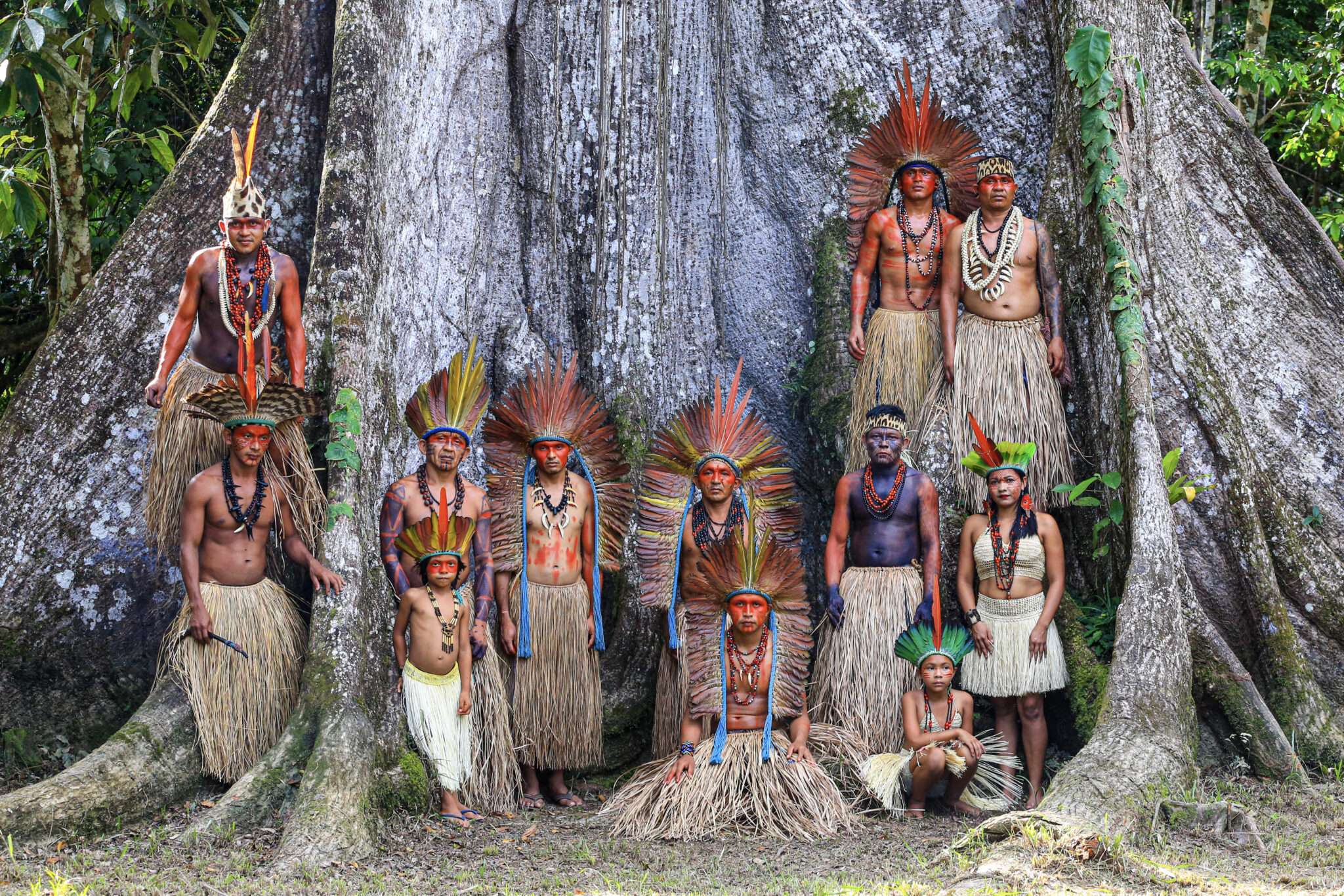
The Nukini form part of the group of Pano-speaking peoples that inhabit the Juruá valley region and share very similar ways of life and views of the world, and devastating
“The shaman gives and takes life. To become a shaman, you go alone into the forest and wrap your entire body in embira. You lie down at a path intersection
We are like peccaries: always together.” Taking white-lipped peccaries (yawa) as a symbol, Yawanawá discourse reaffirms both group cohesion and a stable relationship with their territory, an area which nowadays
Ancient indigenous tribal cultures have long-regarded plants as sacred medicines and healers. The art and practice of working with plants for their medicinal, psychoactive, spiritual, and transformative properties have been
Ancient Amazonian Healing Tradition Read More »
Because of this last property they use it also for making Rapeh, he is considered to be one of strongest sacred medicines from the Jungle that are used both to